


Campendium - RV & Tent Camping
1.7132.00 Reviews
App Specs
- Version
- 2.8.1
- Updated On
- License
- Free
- Downloads
- 100,000+
- Developer
- Roadpass Digital
- Categories
- Travel & Local
- Platform
- Android
Screenshots

 Analysis by AppCompare
When I’m planning a camping trip, the hardest part is often not choosing a destination but narrowing down where to stay along the way. Campendium is built for that practical moment: finding campsites and learning from other campers before committing to a stop. It’s a travel app from Roadpass Digital, aimed at RV travelers and tent campers, and its community-led approach can make a long list of possibilities easier to assess. I see its strongest role as a planning companion, rather than a promise that every recommendation will suit every trip.
When a connection is part of the plan
For me, one of the more useful details in Campendium is its cell-signal filter. Connectivity can affect a campsite choice just as much as scenery or facilities, especially if I need to check a route, contact someone, or handle a bit of work before settling in. Being able to consider reported signal strength while comparing places helps bring that issue into the decision before I arrive.
I would treat those reports as clues, not guarantees. Reception can vary with the carrier, device, weather, terrain, and the exact place I park. A review describing usable service is helpful context, but it cannot promise that my phone will behave the same way. If a dependable connection is essential, I’d shortlist sites with promising reports and keep a separate backup plan rather than relying on a single campsite entry.
Useful on the road, with sensible expectations
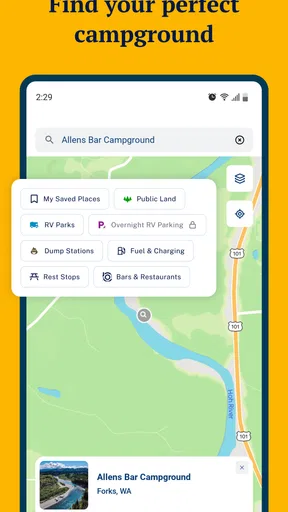
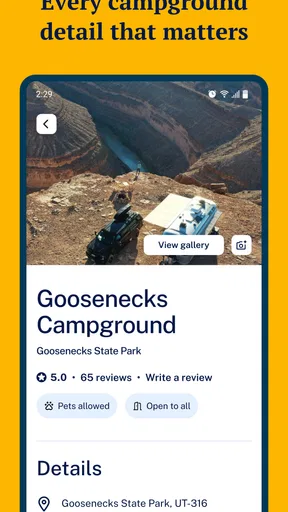
The app is most at home in the in-between moments of a trip: deciding where to stop for the night, comparing possible campgrounds before leaving town, or checking whether a place looks suited to an RV or a tent. Its map and location-based search help turn a broad area into options I can investigate. Reviews, photos, amenities, and cost information then give me more to work with than a name on a map.
That process depends on having access to the information when I need it. I would check the details while connected and avoid assuming that every listing, map, or review will remain available once I lose service. The previous article’s reference to an offline mode is not something I can substantiate, so I wouldn’t make a trip plan that depends on downloaded maps or campsite details. Before heading into a remote stretch, I’d note the leading options and the route using tools I know will be available to me.
A realistic use is a traveler nearing the end of a driving day with several possible overnight stops ahead. While still in a connected area, I can compare nearby sites, read recent camper feedback, look at photos, and check the amenities that matter for that particular night. If the first choice seems unsuitable, having already looked at alternatives makes it easier to change course. That is a more reliable workflow than waiting until reception is weak and then trying to make a rushed decision.
What community feedback can—and cannot—tell me
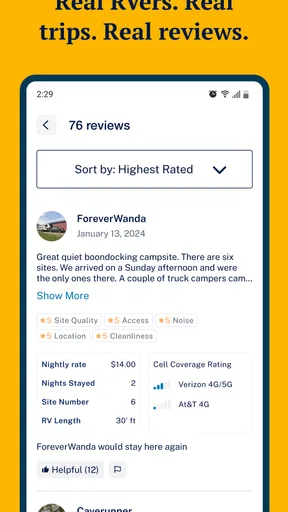
Reviews are valuable because they can reveal practical details that a basic listing may not convey. A camper’s photos or account can help me judge the character of a site, while comments about amenities or access may prompt me to check a detail before setting out. I find that this kind of firsthand context is especially useful when I’m comparing a formal RV park with a less developed place to stay.
Worth Reading Before You Choose

Flipboard Shows What News Apps Must Do Beyond the Feed

Switching to Android Auto Means Rethinking Your Driving Routine

Google Calendar Makes a Crowded Week Easier to Manage

Ludo King Makes the Most of the Minutes Between Plans

Baby Panda World Brings Quick Play to Modern Phones, but Its Game Library Feels Busy

ESPN’s Live Game View Makes Following Close Games Easier
Still, I don’t treat any single review as the final word. A site that worked well for a small tent may not fit a large RV, and a comment that matters to one traveler may be irrelevant to another. I look for patterns across several contributions and compare them with my own needs. If the practical details are unclear, I would confirm them through an appropriate direct source before making a long detour.
Keeping searches useful while traveling
Campendium’s filters are most helpful when I decide what matters before searching. If I’m choosing a stop for an RV, I might begin with the kind of place and facilities I need, then use signal information as another consideration. For a tent trip, I would focus on the characteristics relevant to that stay rather than treating every listing as interchangeable. This keeps the results tied to the trip instead of encouraging me to scroll through options without a clear purpose.
There is a trade-off: every extra requirement narrows the field, and some useful places may not have enough community detail to stand out. I’d use filters to create a shortlist, then open promising listings and read beyond the first impression. That combination—quick narrowing followed by a closer check—is more useful than expecting a filter to make the decision for me.
How it compares with familiar alternatives
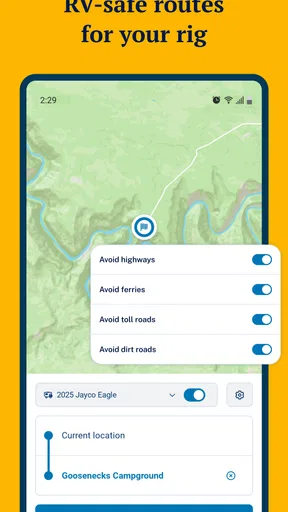
Compared with a general map app, Campendium is focused on camping choices and camper-contributed impressions rather than simply showing places and routes. That makes it a better starting point when I want to compare types of campsite, amenities, and reported cell signal in one trip-planning context. A general mapping tool may still be better for turn-by-turn navigation or for checking the wider route, so I would use the two for different jobs rather than expecting Campendium to replace every travel tool.
It also differs from relying only on a campground’s own information. Official details can be useful for confirming arrangements, while camper photos and reviews offer a different perspective on what a stay may feel like. I get the most value by combining those perspectives: use Campendium to discover and compare, then verify important practical details before I commit.
Who will get the most from it
I’d recommend giving Campendium a try if you travel by RV or tent and like to compare possible overnight stops through the experiences of other campers. It is especially relevant if campsite type, amenities, community photos, and reported cell reception all influence your choice. The app is free to download, with in-app purchases listed at $59.99 per item, so I’d review any purchase prompt carefully and decide whether an added option is useful for my own travel habits.
It is less suited to someone who wants a guaranteed answer with no follow-up checks, or who needs navigation and trip logistics handled entirely in one place. It may also be a poor fit if you routinely plan in areas with limited connectivity but expect all the relevant information to be available offline. In those cases, I’d pair it with a separate navigation method and save essential trip notes while I still have a connection.
Making a decision when information is thin
One practical habit I’d use is to compare more than one candidate before the day’s drive begins. I would note the main choice and at least one alternative, then check which details are supported by several reviews and which depend on a single report. If a particular amenity or signal level is essential, I’d treat uncertainty around it as a reason to verify rather than as a minor footnote.
Photos are useful, but they have limits: they show selected views, not every approach, pitch, or condition a traveler may encounter. I’d use them to form questions, not to assume that the whole site will match one image. This is particularly worthwhile when a route is long or when changing stops late in the day would be difficult.
What to expect from the app itself
Campendium sits in the Travel & Local category and has an Everyone age rating. It has a 1.7 average from around 207 ratings, with 133 written reviews, and has been installed over 100,000 times. Those figures make me cautious about assuming every user has a smooth experience, while the written feedback and campsite information can still be useful on a case-by-case basis. I’d judge it by whether its listings and community contributions help with the areas I actually travel, rather than by popularity alone.
The current version is 2.8.1, and the app was released on August 17, 2022. For an everyday user, the more important question is whether the search results and details work for a particular trip. I’d try it on a familiar route first, while I have other ways to check locations, before making it central to a remote journey.
Discovering New Horizons
First things first, let's talk about what makes Campendium so special. This app is a treasure trove for anyone looking to explore the great outdoors. It’s packed with information on thousands of RV parks, campgrounds, and even those hidden gems called boondocking spots. Whether you're in the mood for a full-service RV park or a secluded tent site, Campendium has got you covered.
User-Friendly Navigation
One of the things I love most about Campendium is how easy it is to use. The interface is clean and intuitive, making it a breeze to navigate. You can search for campsites by location, type, or amenities. Plus, the map feature is super handy, allowing you to see all your options at a glance. It’s like having a digital campground map right in your pocket!
Reviews That Matter
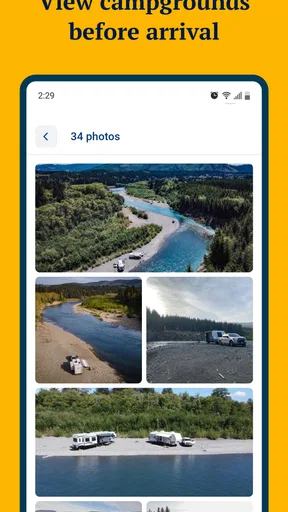
Now, let’s get to the good stuff – the reviews. Campendium is fueled by a community of campers who share their honest opinions about each site. These reviews are gold when you're trying to decide where to stay. I found the feedback to be incredibly helpful in choosing a site that met all my needs. Plus, the photos uploaded by users give you a real sense of what to expect.
Features You’ll Love
Campendium isn’t just about finding a place to park your RV or pitch your tent. It's loaded with features that make camping life easier. You can filter your search by cell signal strength, which is perfect for those of us who need to stay connected even in the wild. There’s also information on costs, amenities, and even nearby attractions if you’re looking to explore.
Oh, and did I mention the offline mode? This is a lifesaver when you’re in a spot with no signal. You can download maps and information before you head out, ensuring you always have access to the details you need.
Community and Connectivity
What truly sets Campendium apart is its sense of community. The app encourages interaction among campers, fostering a network of like-minded individuals who share a passion for the outdoors. Whether you're sharing a review or uploading photos, you’re contributing to a collective adventure that helps others make informed decisions.
Making the Most of Your Adventure
So, if you’re ready to embark on your next camping adventure, give Campendium a try. It’s a tool that not only helps you find the perfect spot but also enhances your overall experience. From the moment you open the app to the time you’re sitting by the campfire, Campendium is there to guide you every step of the way.
As someone who thrives on the open road and loves discovering new places, I can honestly say that Campendium has become an essential part of my travel toolkit. It’s like having a personal camping concierge that’s always ready with a recommendation or a tip. So what are you waiting for? Grab your gear, download the app, and start planning your next great escape!
My connectivity verdict
For me, Campendium is most dependable as a connected research tool: I can compare camping options, weigh other travelers’ observations, and keep cell reception in view before I arrive. I would not make its reported signal strength a guarantee, and I would not rely on the offline claim when preparing for a low-service route. Checking choices in advance, keeping a backup stop, and confirming critical details are small steps that make its community information much more useful.
Overall, I see a worthwhile niche for RV and tent travelers who want more campsite context than a general map provides. Its low average rating means I’d approach the experience with measured expectations, but the focused search and camper contributions can still help with trip planning. If you’re happy to cross-check important details and plan around connectivity, it can earn a place among your travel tools; if you need certainty, offline access, or an all-in-one navigator, another option should lead the way.
Pros
- Extensive campground database.
- User-friendly interface.
- Offline access available.
- Community reviews enhance trust.
- Detailed campsite information.
Cons
- Limited international coverage.
- Freemium model restricts features.
- Occasional map glitches.
- Slow updates in remote areas.
- Ads in free version can be intrusive.
FAQs for Campendium - RV & Tent Camping
What is Campendium and what features does it offer?
Campendium is a comprehensive app designed for RV and tent campers. It provides detailed information about campgrounds, including user reviews, photos, and amenities. Users can search for campsites by location, filter by specific needs like hookups or pet-friendliness, and even check cell signal quality at various locations. It’s a must-have for planning your next camping adventure.
Is Campendium free to use, or does it require a subscription?
Campendium offers both free and paid versions. The free version provides basic access to campground information and reviews. For more advanced features, such as offline access and ad-free browsing, users can opt for a paid subscription. This premium version enhances the user experience, especially for frequent campers who travel to remote locations.
How accurate is the information provided by Campendium?
The information on Campendium is highly reliable, as it is crowd-sourced from a community of campers. Users contribute reviews, photos, and updates, ensuring the data remains current and accurate. However, since conditions can change, it's always a good idea to cross-check information or contact the campground directly for the most recent updates.
Can I use Campendium offline while camping in remote areas?
Yes, Campendium offers an offline mode, which is particularly beneficial for campers heading to areas with limited internet connectivity. However, this feature is only available with the paid subscription. By downloading campground data in advance, users can access vital information even when they’re off the grid, ensuring a smooth camping experience.
What types of campsites can I find using Campendium?
Campendium covers a wide range of campsites, from RV parks and state parks to national forests and free dispersed camping areas. Users can filter their search based on preferences such as site type, amenities, accessibility, and more. Whether you're looking for a full-service RV spot or a secluded tent site, Campendium has you covered.


